
Madeira Hiking Trail Fees in 2027: What Visitors Need to Know
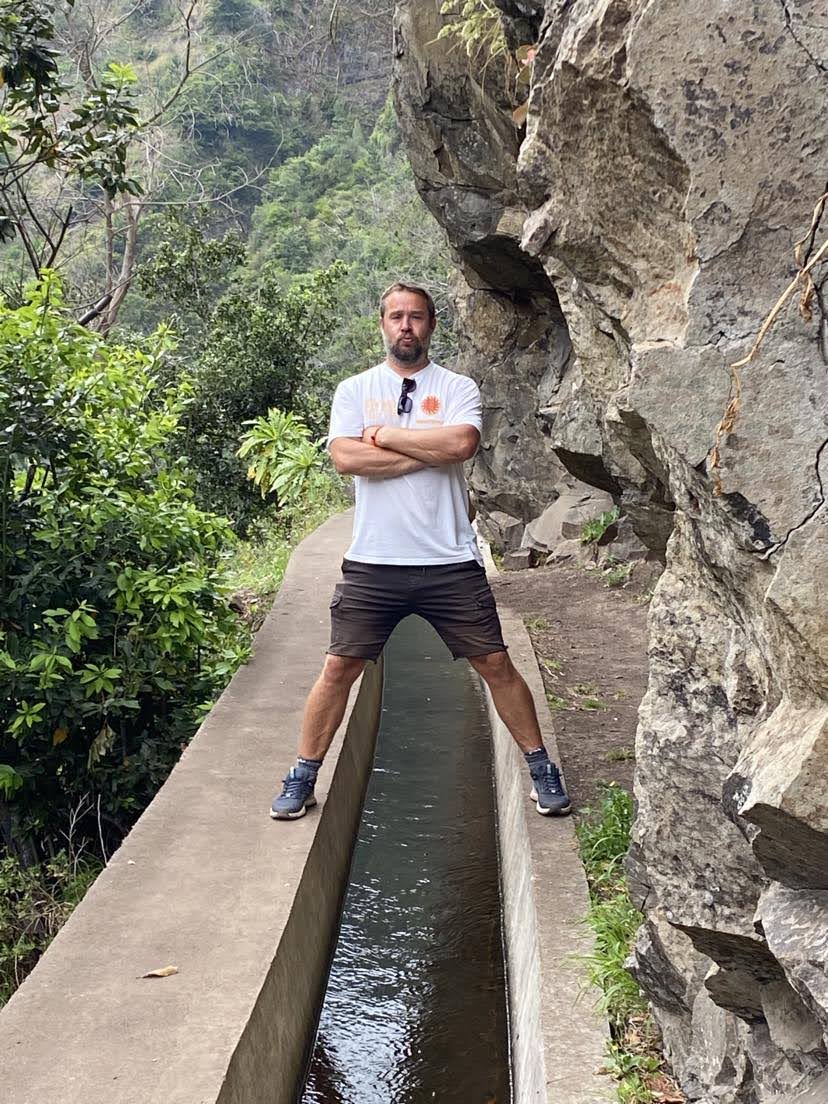
From April 1, 2027, hiking in Madeira's most popular nature areas will become more expensive for visitors. The Regional Government has approved a new pricing structure for classified trails managed by the IFCN (Institute of Forests and Nature Conservation), introducing significantly higher fees on some of the island's best-known routes.
The new rules apply to non-residents over the age of 12. Residents of the Autonomous Region of Madeira and children aged 12 and under will continue to enjoy free access.
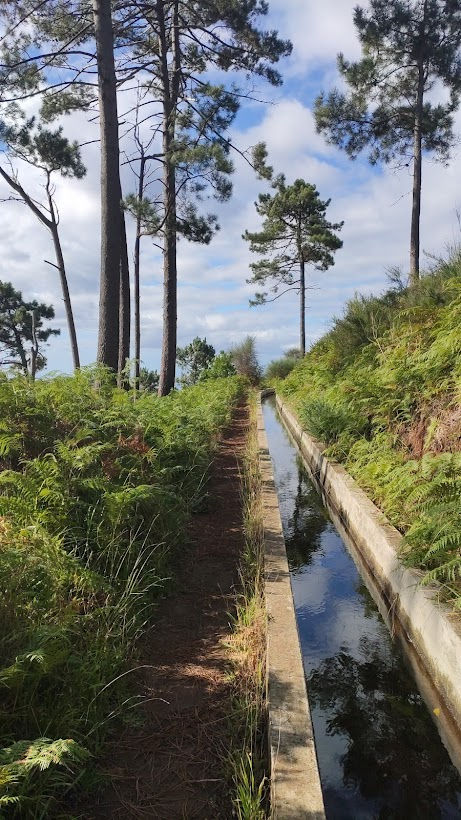
For most classified trails, the standard entrance fee will be €7.50. However, some of Madeira's most iconic hikes will come with higher prices.
Hikers planning to complete the full PR1 route towards Pico Ruivo will pay €18, while both the Pico Ruivo trail (PR1.2) and Ponta de São Lourenço will cost €15 per person. The same €15 fee will apply to popular walks such as Levada do Caldeirão Verde and Vereda dos Balcões.
Several of Madeira's most visited hiking areas will fall into the highest pricing category. Access to the Fanal Circuit (PR13) and the extensive Rabaçal trail network will cost €18. For those looking for the ultimate challenge, the Madeira Crossing (Travessia da Madeira), which traverses the island from one side to the other, will cost €75.
Visitors planning multiple hikes may find the new hiking passes more attractive than paying individually for each trail. A one-day pass will cost €20, a three-day consecutive pass €45, and a seven-day pass €105. For active hikers spending a week on the island, these passes could quickly become the most economical option.
One important detail concerns the Rabaçal area, which remains one of Madeira's most spectacular hiking destinations. The €18 fee covers the entire trail network rather than a single route. This includes famous walks such as the 25 Fontes, Levada do Risco, Levada do Alecrim, Lagoa do Vento, Palha Carga, Levada Velha, Pico Fernandes and the Túnel do Cavalo. Visitors can therefore explore multiple trails within the network without paying separate entrance fees.

According to the Regional Government, the additional revenue will be used to fund trail maintenance, repairs, waste collection, visitor safety measures and environmental protection projects. Authorities also hope the system will help spre
ad visitors more evenly across the island by encouraging people to explore lesser-known routes instead of concentrating on a handful of famous hikes.
Madeira offers far more than its most famous trails. While routes such as Pico Ruivo, Ponta de São Lourenço and the levadas of Rabaçal remain incredible experiences, some of the island's most memorable moments can still be found away from the crowds. A quiet levada, a forgotten forest path or a viewpoint with no tour buses in sight often reveals a side of Madeira that many visitors never get to see.
The new fees will undoubtedly increase the cost of hiking holidays on the island, but with a little planning and a willingness to venture beyond the most popular routes, Madeira remains one of Europe's most rewarding destinations for walkers and nature lovers.

Comments